Propane Safety
Safety is a Partnership.
You know the basics. We handle the rest. From spotting a leak to prepping for a storm to keeping cylinders and deliveries safe, here’s what every Schilling Propane customer, and our drivers, need to know.
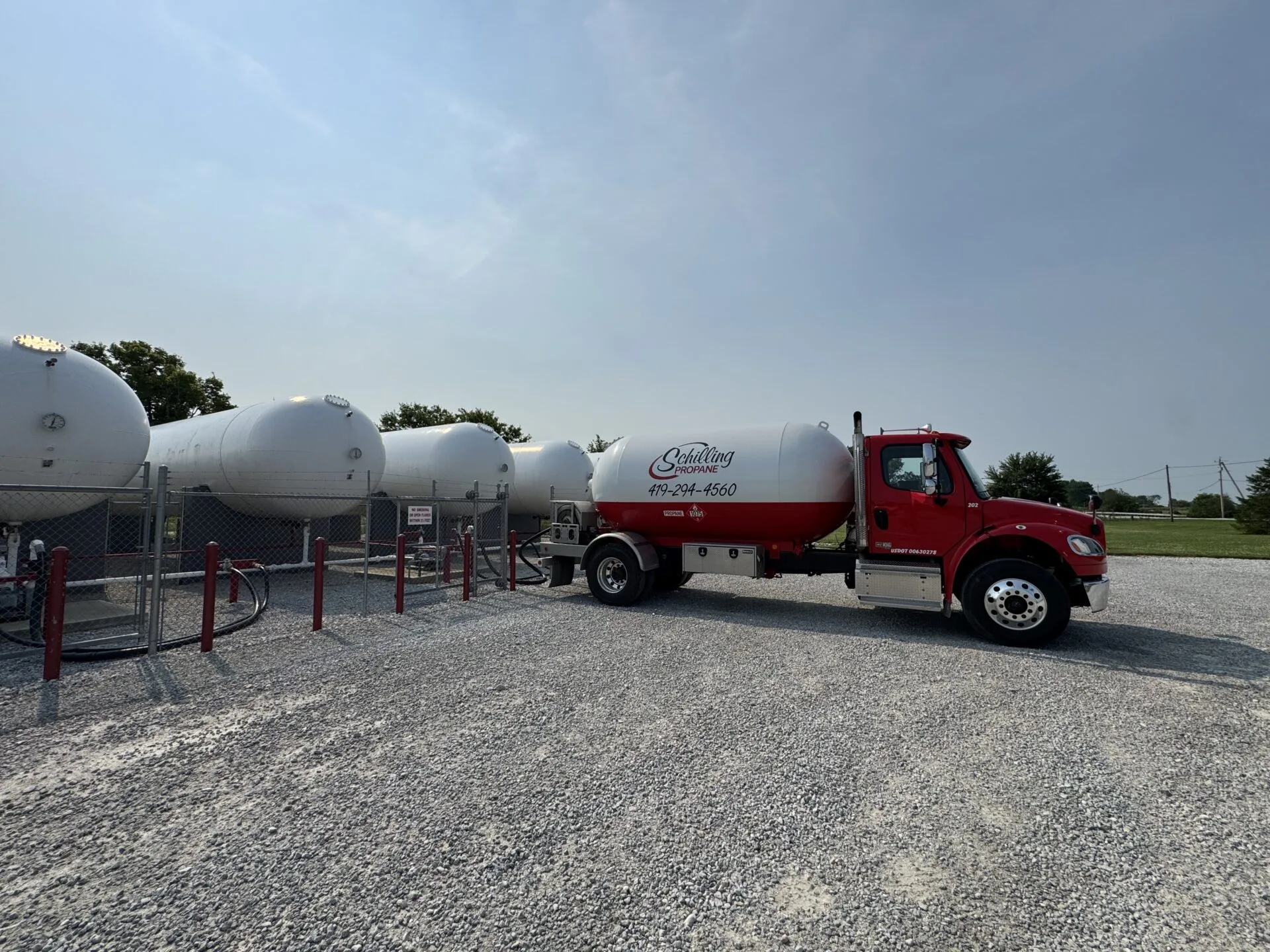
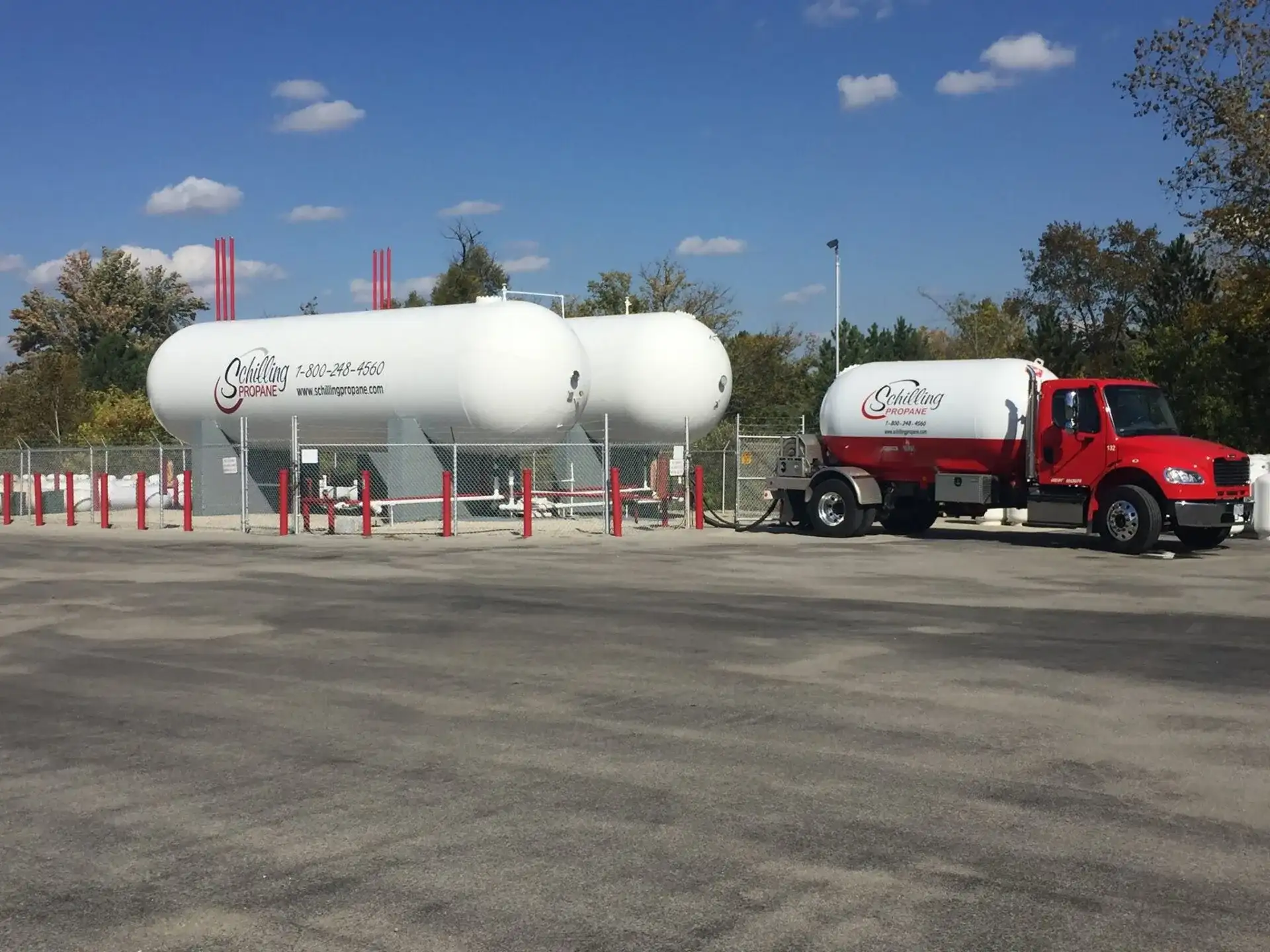
Emergency Response
What to Do If You Smell Propane
Propane smells like rotten eggs — that odor is added on purpose, so you can detect a leak fast. If you smell it, act immediately.
In an emergency, call 911 first. Then call Schilling Propane at 419-294-4560.
Follow These Steps
- No flames or sparks. Don't light matches, flip light switches, use phones, or operate anything electrical — even a small spark can ignite propane.
- Get everyone out of the building or area immediately, including pets.
- Shut off the gas at the main supply valve on the tank, but only if it's safe to do so (turn it clockwise to close).
- Report the leak. From a safe distance, call 911 and Schilling Propane at 419-294-4560.
- Stay out until emergency responders or a qualified technician tells you it's safe to return.
- Get your system checked. Before you use your propane again, a qualified professional must inspect the entire system for leaks, which will include a system check where you will have to be present.
Keep in Mind
- Don't rely on the smell alone. Some people can't detect the odor well, and in rare cases the smell can fade (odor loss). Propane gas detectors add an important layer of protection — we recommend them for every propane home.
- Never re-enter to investigate. Leave leak-finding to the professionals.
- When in doubt, get out. Even if you're not sure it's propane, treat it like a leak.
Seasonal Prep
Propane Safety During Winter Weather
The best way to stay safe during severe winter weather is to prepare ahead of time. Extreme cold increases propane demand, and icy roads can delay deliveries — so a little planning goes a long way.
Before the Storm
- Keep your tank well stocked. Order before a major storm hits — cold snaps increase demand and winter roads can delay deliveries.
- Mark your tank. Use a bright flag or pole so you and your delivery driver can easily locate the tank in deep snow, especially important if you have an underground tank.
- Check your heating systems. Before heating season begins, make sure all heating systems and appliances are working properly.
- Review your emergency plan. Make sure everyone in your household knows what to do during a winter storm.
During and After Snow or Ice
- Keep a clear path to your tank. Snow removal is very important, avoid piling snow near the tank — blocked access can delay delivery and create safety concerns.
- Clear snow and ice gently. Use a broom, not a shovel, to clear snow off the tank, regulators, valves, and piping to avoid damage.
- Check chimneys, pipes, and vents. Carefully inspect for damage, blockage, or debris after snow or ice — blocked vents can allow carbon monoxide to enter your home; purchasing a CO detector will help keep you safe.
- Watch for signs of trouble. If you smell propane’s rotten-egg odor, get everyone out, shut off the tank valve if it’s safe, and call 911 and Schilling Propane from a safe distance.
- Never use outdoor equipment indoors. Grills, generators, and patio heaters should never be used inside your home or garage, even during a power outage — they create a deadly carbon monoxide risk; never second-guess, purchase a CO detector to rule out any chances.
We're Here to Help
Staying prepared, communicating clearly, and working together keeps everyone safe all winter long. Contact Schilling Propane to schedule a delivery, or set up automatic fill service before the cold sets in.
Help Us Deliver Safely
Driver Safety
Our delivery drivers work in all kinds of weather to keep your tank full. A few simple steps on your end help them make safe, on-time deliveries.
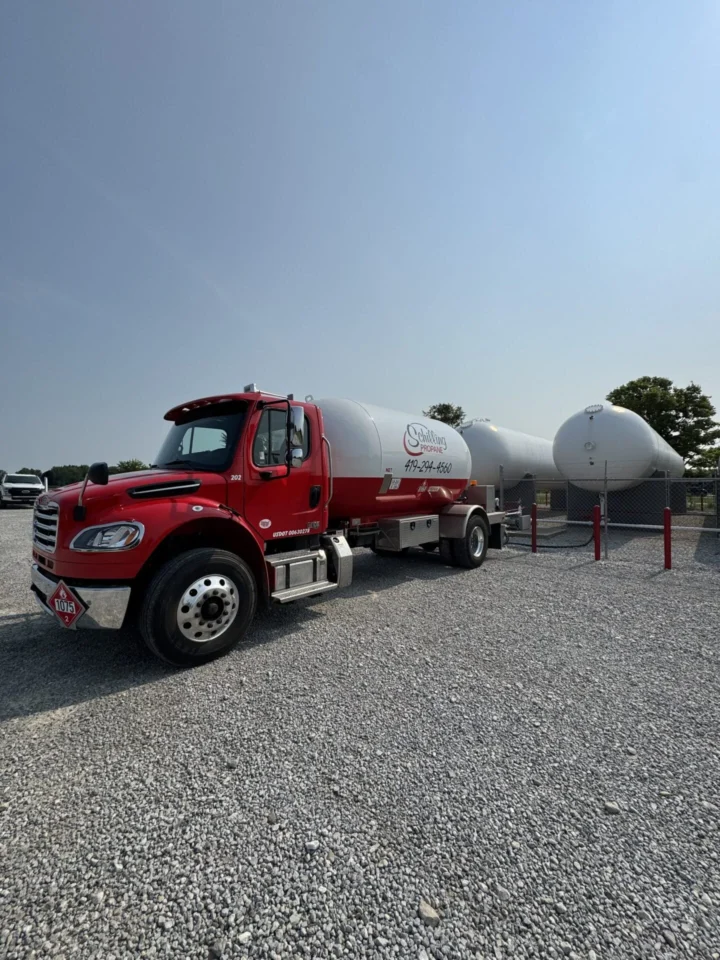
How You Can Help
- Keep your driveway clear and accessible. Our trucks need room to enter, turn around, and exit safely — trim overhanging branches as snow weighs them down causing them to be in the way of the tank, also keep vehicles out of the delivery path.
- Clear a path to the tank. Keep the route from the driveway to your tank free of snow, ice, debris, and obstacles.
- Mark your tank. A bright flag or pole helps drivers find your tank quickly, especially in deep snow. This is especially important for underground tanks.
- Secure your pets. Even friendly dogs can be unpredictable around strangers — please keep pets inside or contained during your delivery window.
- Keep the tank area clear. Don’t pile snow, firewood, or equipment on or around the tank, valves, or regulators.
- Address hazards. Let us know about anything on your property a driver should be aware of — steep grades, soft ground, low wires, or gate codes.
Portable Cylinders
Propane Cylinder Safety
Portable propane cylinders fuel grills, patio heaters, forklifts, and more. Handle them right and they’re safe and reliable.
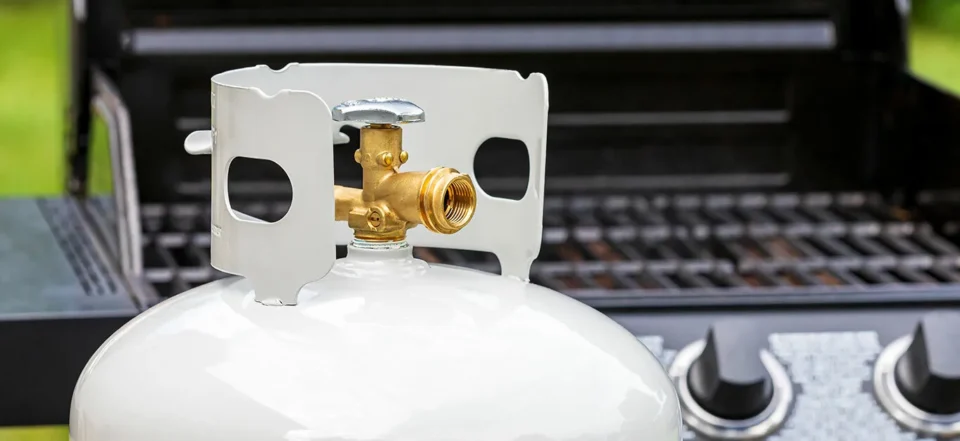
Handling & Use
- Always keep cylinders upright — in use, in storage, and in transport.
- Check for damage before use: rust, dents, leaks, or a damaged valve mean the cylinder needs to be inspected or replaced.
- Check the expiration date. Cylinders must be requalified or replaced 12 years after the manufacture date stamped on the collar, and every 5 years after that date.
- Never use a cylinder indoors — grills, heaters, or other cylinder-powered outdoor equipment belong outside only.
- Test for leaks after connecting by applying soapy water to the connection and watching for bubbles. If you see bubbles or smell gas, close the valve and don’t use it.
Transporting Cylinders
- Keep the cylinder secured and upright in your vehicle — never on its side.
- Never leave a cylinder in a hot car. Take it straight home and remove it immediately, even during winter months.
- Keep the valve closed and plugged or capped during transport.
Storing Cylinders
- Store outdoors only — never in a house, garage, basement, or shed.
- Keep cylinders upright on a firm, level surface away from ignition sources.
- Don’t store spare cylinders under or near your grill.
Refills & Exchanges
Need a cylinder filled, requalified, or replaced? Stop by Schilling Propane — we'll make sure your cylinder is safe and ready to go.
Emergency Response
Propane Safety During Floods
Floods can shift, float, or damage propane tanks and equipment. Follow these steps to keep your family and property safe.
In an emergency, call 911 first. Then call Schilling Propane at 419-294-4560.
Before a Flood
- Know where your tank’s shut-off valve is and how to turn it off.
- If you evacuate, shut off the main gas supply valve and appliance valves if it’s safe to do so.
- Keep our number with your emergency supplies.
After a Flood
- Do not turn your propane system back on yourself. Flooded systems must be inspected by a trained professional first — water can damage regulators, valves, and controls even when everything looks fine.
- If your tank has shifted, tipped, or is missing, don’t approach it — call us immediately.
- If you smell gas (rotten-egg odor): don’t create any sparks or flames, get everyone out, shut off the tank valve if safe, and call 911 and Schilling Propane from a safe distance.
- Have appliances checked and pilot lights relit by a qualified technician.
During a Flood
- Follow evacuation orders immediately.
- Never touch electrical equipment while standing in water.
- If it is safe to do so, turn off your propane tank by turning it clockwise.
- Stay away from any propane tank that has broken loose — report it to emergency officials.
Before You Go
Propane Safety Before Vacation
A few quick steps before you leave:
- Check your tank level — especially in winter, so the furnace doesn’t run out while you’re gone.
- Turn off gas valves to appliances you won’t be using.
- Leaving in winter? Keep the heat on low (55–60°F) to prevent frozen pipes.
- Test your carbon monoxide and propane detectors.
- Ask a neighbor to check on the house.
When You Return
If you smell gas (rotten-egg odor), get out and call 911, then Schilling Propane. If your tank runs empty, don't restart it yourself — a system check with someone from the household above age 18 present is required first.
A Shared Responsibility
Safety Is a Partnership
At Schilling Propane, safety isn’t just a policy — it’s a promise to every family and business we serve. But the safest propane system is one where we work together: you know the basics; we handle the rest. Take a few minutes to review these tips with your household, save our number in your phone, and never hesitate to call with a question. When it comes to safety, there’s no such thing as being too careful — and we’re always here to help.
Questions About Propane Safety?
Save our number, review these tips with your household, and never hesitate to call. We’re here to help before an issue starts, not just after.